- Naturally strong at reading the fight from safer angles and supporting the team from behind.
- Adds value by stabilizing the fight and punishing enemy pressure.
- Makes decisions through winning the immediate duel or skirmish in front of you.
TYPE PROFILE
Adaptive Support
Support
BTIRAdaptive SupportRarity★★★
Recommended role: Support
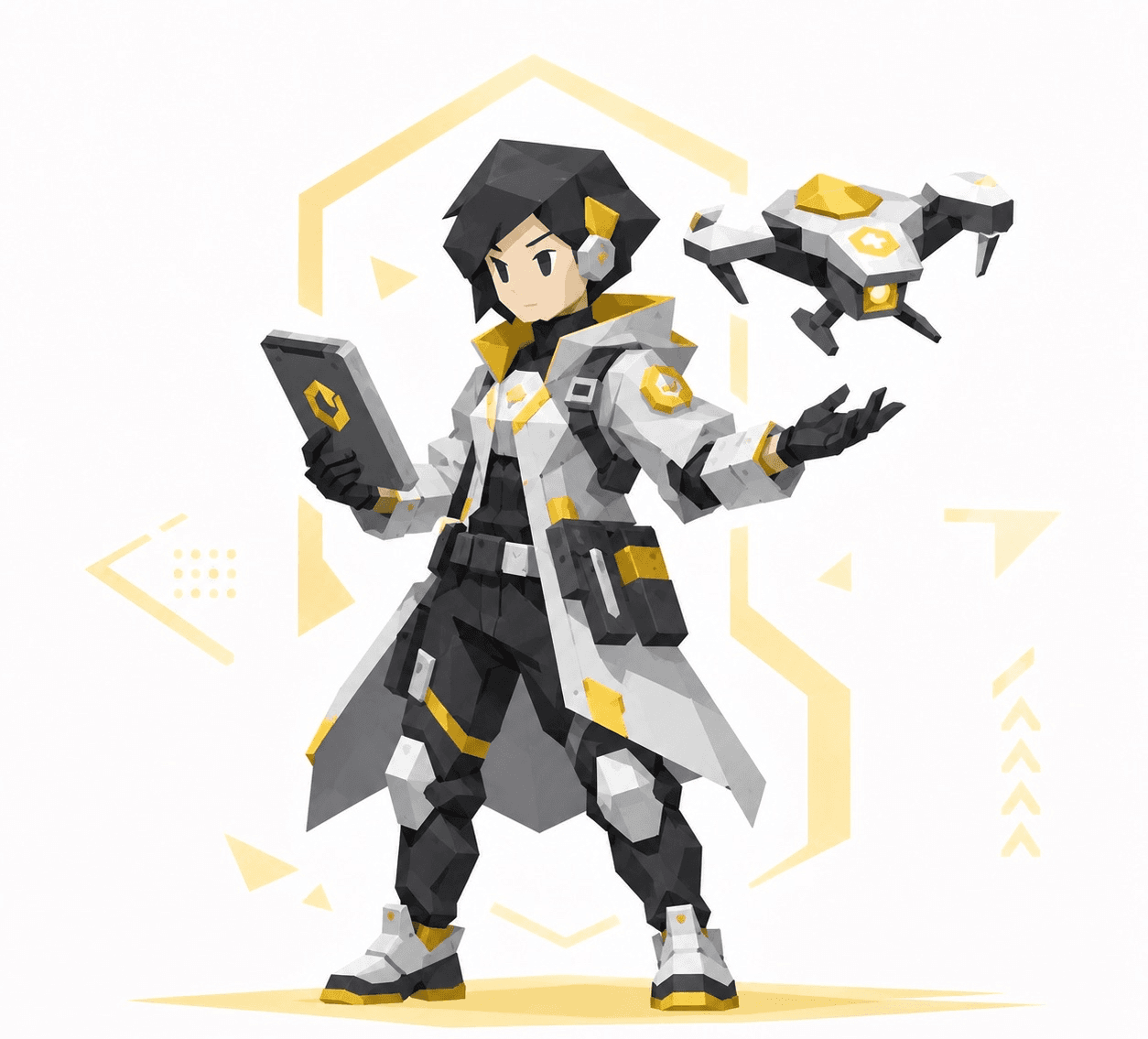
A Support tendency built around reading the fight from safer angles and supporting the team from behind, stabilizing the fight and punishing enemy pressure, winning the immediate duel or skirmish in front of you, and reacting quickly to what allies and enemies do.
Compatible type
FGIRBreaker Commander tends to bring out your strengths.
Find your partner hero
Choose a role and answer a few playstyle questions to narrow down heroes that may fit you.
- Can lose value when forced into the opposite tempo.
- May overuse the habit that normally feels most comfortable.
- Needs a clear reset plan when the first idea fails.
If your result is BTIR, you prefer changing your support according to the movement of allies and enemies instead of following one fixed pattern. You can rescue a teammate, join an attack, or return pressure when an opponent steps forward. Because your first instinct is to adapt to others, you can be slow to create the first proactive moment yourself.
Advice
Keep the core of Adaptive Support, but check whether the fight needs speed, patience, a wider view, or a smaller duel before committing.
Breaker Commander (FGIR) creates the moment that lets Adaptive Support choose the right kind of assistance. When FGIR commits, BTIR can switch between healing, damage, and utility according to the immediate state of the fight.
BTIR benefits from having a clear engagement around which to organize support. FGIR gains a better chance to secure the kill or retreat safely because BTIR can change its response instead of relying on only one form of help.
This pairing combines flexible support with instinctive action. For example, when Wrecking Ball finds an opening and lands Piledriver from outside the enemy's awareness, Zenyatta can add Orb of Harmony and Orb of Discord to make the engage safer and more lethal.