- Naturally strong at fighting close to the enemy and creating space directly.
- Adds value by creating pressure before the enemy is comfortable.
- Makes decisions through tracking the whole team shape and the next objective.
TYPE PROFILE
Assault Vanguard
Tank
FGARAssault VanguardRarity★★★
Recommended role: Tank
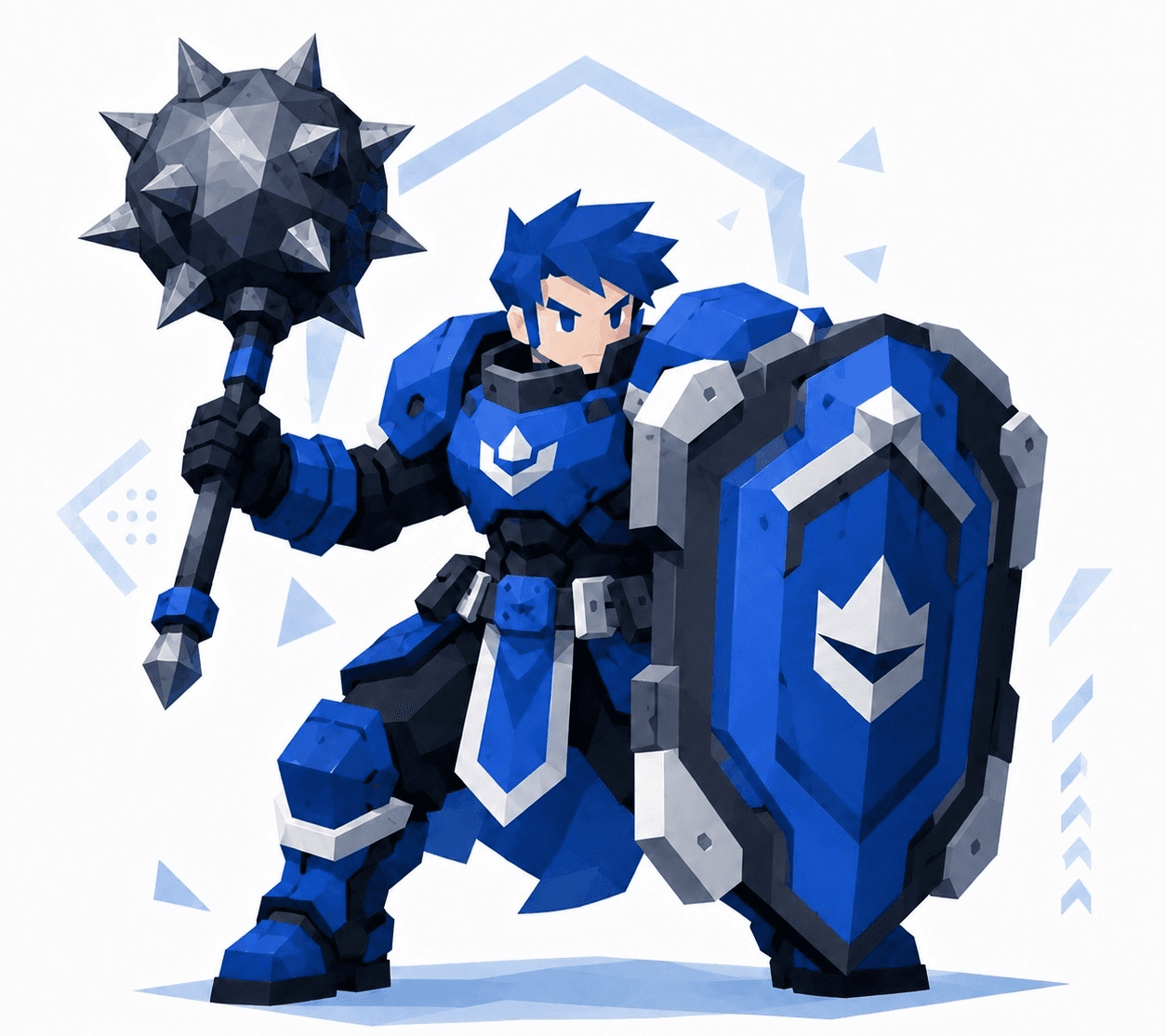
A Tank tendency built around fighting close to the enemy and creating space directly, creating pressure before the enemy is comfortable, tracking the whole team shape and the next objective, and reacting quickly to what allies and enemies do.
Compatible type
BTARRapid Response Medic tends to bring out your strengths.
Find your partner hero
Choose a role and answer a few playstyle questions to narrow down heroes that may fit you.
- Can lose value when forced into the opposite tempo.
- May overuse the habit that normally feels most comfortable.
- Needs a clear reset plan when the first idea fails.
If your result is FGAR, you like reading the enemy composition, using mobility to disrupt their plan, and forcing mistakes. When an enemy takes a careless position or spends an important cooldown, you tend to close the distance immediately and look for a kill. If you rely only on the speed of that reaction, you can travel beyond your team's sightlines and healing.
Advice
Keep the core of Assault Vanguard, but check whether the fight needs speed, patience, a wider view, or a smaller duel before committing.
Rapid Response Medic (BTAR) can react to the sudden engagements created by Assault Vanguard. When FGAR recognizes a mistake and dives, BTAR can read that movement and deliver the necessary support quickly.
FGAR can take a stronger position and still have a realistic chance to secure the kill or escape because immediate support is available. BTAR also benefits from FGAR making the engagement timing obvious, which clarifies when defensive resources or healing need to arrive.
This pairing combines explosive action with an equally fast response. For example, when D.Va uses Boosters and Micro Missiles to finish a target, Kiriko can follow with Wall Climb or Swift Step and contribute healing or damage without taking the same dangerous route.