- Naturally strong at fighting close to the enemy and creating space directly.
- Adds value by stabilizing the fight and punishing enemy pressure.
- Makes decisions through tracking the whole team shape and the next objective.
TYPE PROFILE
Armored Anchor
Tank
FTARArmored AnchorRarity★★★
Recommended role: Tank
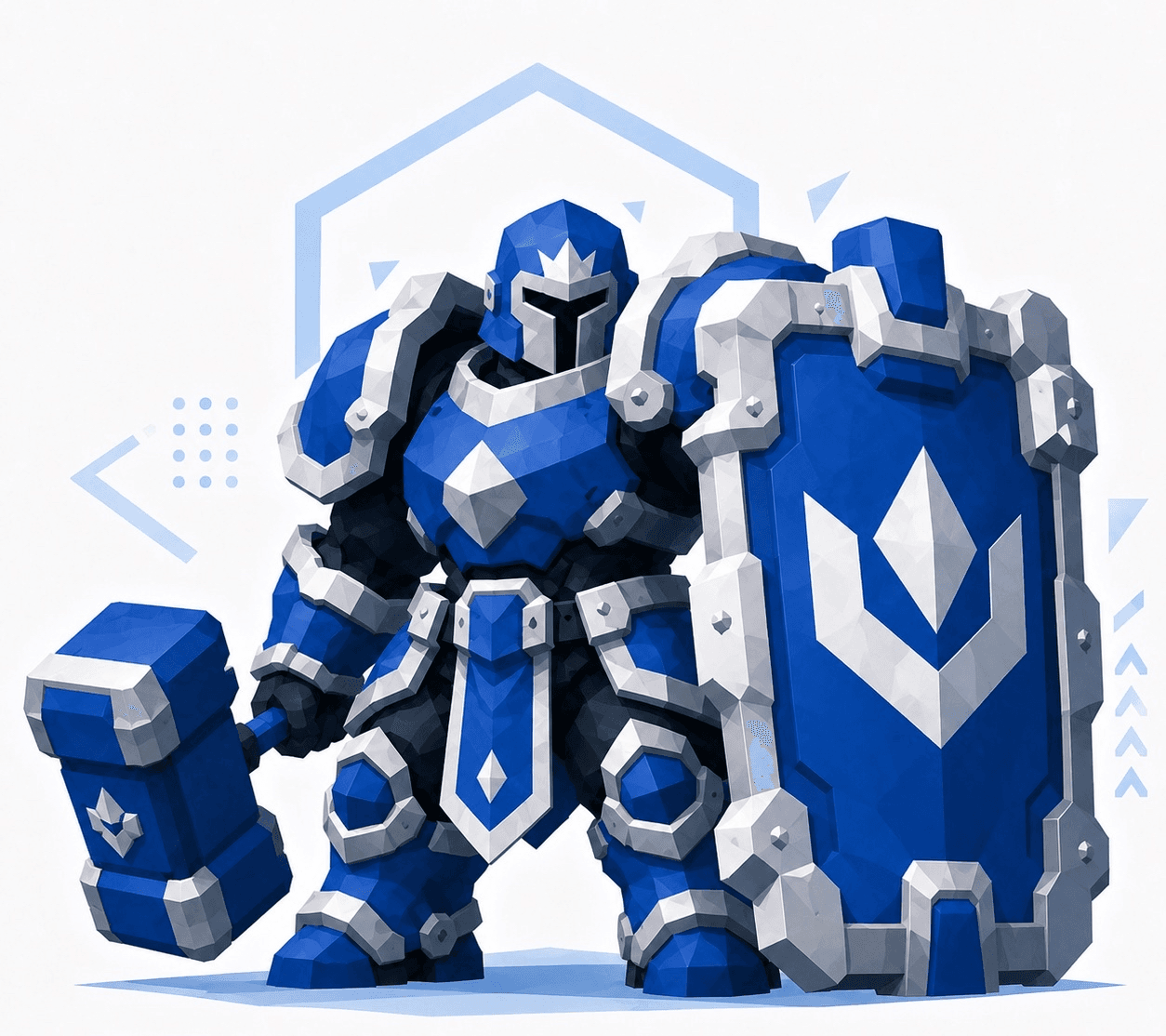
A Tank tendency built around fighting close to the enemy and creating space directly, stabilizing the fight and punishing enemy pressure, tracking the whole team shape and the next objective, and reacting quickly to what allies and enemies do.
Compatible type
BGARShadow Hunter tends to bring out your strengths.
Find your partner hero
Choose a role and answer a few playstyle questions to narrow down heroes that may fit you.
- Can lose value when forced into the opposite tempo.
- May overuse the habit that normally feels most comfortable.
- Needs a clear reset plan when the first idea fails.
If your result is FTAR, you focus on absorbing enemy pressure and then advancing at the moment your team can safely follow. Instead of forcing every first move, you prefer to withstand the enemy's attack and push together after they spend cooldowns or lose health. If you wait too long for that opening, the enemy can keep taking stronger positions without being challenged.
Advice
Keep the core of Armored Anchor, but check whether the fight needs speed, patience, a wider view, or a smaller duel before committing.
Shadow Hunter (BGAR) can attack outside the enemy's attention while Armored Anchor holds their focus in front. As FTAR absorbs pressure on the frontline, BGAR can wait for a vulnerable target, a missing cooldown, or low health instead of forcing an early engagement.
FTAR gains a reason to push back when BGAR creates pressure from the side or rear. BGAR gains enough time to choose the right moment because FTAR keeps the main frontline stable.
This pairing combines a durable frontline with an attack that exploits openings. For example, Reinhardt can spend health and Barrier Field to absorb enemy resources, then step forward to hold attention while Tracer attacks a Support or DPS who is still looking toward the frontline.